Blueberries may very well be the most potent age-defying food—they’re jam-packed with antioxidants. When researchers at Cornell University tested 25 fruits for these potent compounds, they found that tangy-sweet wild blueberries (which are smaller than their cultivated cousins) packed the most absorbable antioxidants. Research shows a diet rich in blueberries can help with memory loss, prevent urinary tract infections, and relieve eyestrain. Add up to 1/2 cup of blueberries to your diet a day for maximum health benefits, recommends Ronald Prior, PhD, adjunct professor of food science at the University of Arkansas in Fayetteville. This alone provides just about double the amount of antioxidants most Americans get in 1 day. (Enjoy your berries even more with these 11 tasty blueberry recipes.)
If you're short of time in the morning a protein-rich breakfast needn't take any longer. Top your morning toast with a couple of slices of smoked salmon, some lean ham or some scrambled eggs and when you do have a little more time enjoy an omelette, frittata or our version of the full English.

Fiber-rich oats are even healthier than the FDA thought when it first stamped them with a heart disease-reducing seal 10 years ago. According to recent research, they can also cut your risk of type 2 diabetes. When Finnish researchers tracked 4,316 men and women over the course of 10 years, they found that people who ate the highest percentage of cereal fiber were 61% less likely to develop type 2 diabetes. To reap the benefits, eat 1/2 cup daily—preferably unsweetened. For a versatile breakfast, top with different combinations of fruit, yogurt, and nuts. You can also use oats to coat fish or chicken or add texture to meatballs. More from Prevention: 9 Breakfasts That Jump-Start Your Brain
Under Weight Foods that can help Peanut butter is high in calories and but also contains omega 3 fats so is ideal to eat for healthy weight gain. Look for natural peanut butter as it contains healthier oils. Eat with whole wheat bread. Peanut butter also contains a property called resveratrol that is good for your heart. Fatty meat such as the fatty cuts of bacon, pork and chicken are ideal for weight gain. The animal fat contains higher levels of protein for weight gain and helps the body build more muscle. Eating fatty beef cuts can also boost iron consumption and increase energy levels. Sweet potato is a great provider of carbohydrate and has more calories than other vegetables. It’s also high in vitamins, fibre and antioxidants and is a great source of energy for building muscle. Purple sweet potato has also been linked to the prevention of cancer. Help a friend, share the remedy share tweet
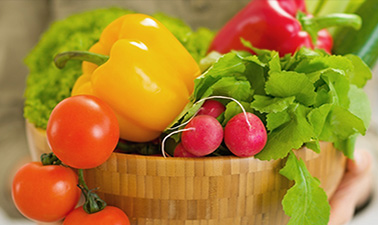
The following healthy power foods can claim big bragging rights: They can fend off serious diseases like diabetes, cancer, and heart disease; fortify your immune system; protect and smooth your skin; and help you lose weight or stay slim. If you're eating most of these healthy foods already, good for you! If not, now's the time to load up your shopping cart and supercharge your health.
Constipation Foods that can help Dried prunes are a common remedy for constipation as they’re high in fibre, potassium and vitamin A. Introducing small portions of dried prunes into your diet can relieve the symptoms of constipation. Other benefits include healthy vision and a lower risk of developing arthritis and cancer. Pears are another great remedy for constipation. They act as natural laxatives loosening the stool so it can pass gently through the intestines. Plus, research found that women who ate 3 pears a day compared to those who didn’t, consumed less calories and lost more weight. Beans can prevent you becoming constipated and help to sustain a healthy digestive system. Baked beans are packed full of great nutrients to keep you healthy including protein, iron, calcium and fibre. But it’s the insoluble fibre in baked beans that helps to protect the colon lining from cancer. Help a friend, share the remedy share tweet
Broccoli is a cruciferous vegetable that tastes great both raw and cooked. It is an excellent source of fiber, vitamin K and vitamin C, and contains a decent amount of protein compared to other vegetables.

Chia seeds are among the most nutrient dense foods on the planet. A single ounce (28 grams) contains 11 grams of fiber, and a large part of the recommended intake for magnesium, manganese, calcium and various other nutrients.
Close Under Weight Foods that can help Peanut butter is high in calories and but also contains omega 3 fats so is ideal to eat for healthy weight gain. Look for natural peanut butter as it contains healthier oils. Eat with whole wheat bread. Peanut butter also contains a property called resveratrol that is good for your heart. Fatty meat such as the fatty cuts of bacon, pork and chicken are ideal for weight gain. The animal fat contains higher levels of protein for weight gain and helps the body build more muscle. Eating fatty beef cuts can also boost iron consumption and increase energy levels. Sweet potato is a great provider of carbohydrate and has more calories than other vegetables. It’s also high in vitamins, fibre and antioxidants and is a great source of energy for building muscle. Purple sweet potato has also been linked to the prevention of cancer. Help a friend, share the remedy share tweet
Packed with antioxidant compounds, pomegranates have long been linked to both heart and brain health. Newer research explains why: One study found pomegranate polyphenols help your arteries expand and contract to manage blood flow and prevent hardening. A separate study found the same antioxidants help ward off the type of inflammation that leads to Alzheimer’s disease. To get the most benefit, eat the fruit’s seeds and some of the pith. Both contain healthful compounds.
Garlic is a flavor essential and a health superstar in its own right. The onion relative contains more than 70 active phytochemicals, including allicin, which studies show may decrease high blood pressure by as much as 30 points. High consumption of garlic lowered rates of ovarian, colorectal, and other cancers, according to a research review in the American Journal of Clinical Nutrition. Allicin also fights infection and bacteria. British researchers gave 146 people either a placebo or a garlic extract for 12 weeks; garlic takers were two-thirds less likely to catch a cold. The key to healthier garlic: Crush the cloves, and let them stand for up to 30 minutes before heating them, which activates and preserves the heart-protecting compounds, according to a 2007 study from Argentina.
It's time you switched to a better browser For a better, secure browsing experience, we've made the tough decision to no longer support early versions of Internet Explorer (8 and below) and Firefox (22 and below). Unfortunately these older web browsers do not support many crucial developments in online security, and therefore represent a threat to your online security, as well as the security of MNT. For the safety and security of your online experience, we strongly recommend that you switch to a more modern browser (we've provided links to a few at the top right of the page). While you will continue to be able to read MNT as normal, your actual experience may not be exactly as we intended and you will not be permitted to log-in to, or register for an MNT account. Thank you, The MNT Team
Close Migraines Foods that can help Quinoa is a well-known superfood packed with protein and nutrients including iron, copper and magnesium. It’s known to help relax blood vessels and reduce the frequency of migraines. It can also help with high blood pressure, reducing the risk of heart attacks. Fatty fish such as sardines, herring and trout are also known to lessen the severity and frequency of migraines. Research suggests fatty fish, high in omega 3 can lower production of chemicals in the body that cause migraines. Eat a serving of fatty fish 2-3 times a week to treat migraines. Ginger has a long history of relieving pain associated with migraines. It works as an anti-inflammatory and helps treat nausea often accompanying migraines. Research suggests ginger can also be used to treat digestion problems. Try gingernut biscuits or take ginger supplements. Help a friend, share the remedy share tweet
One of the best ways to get vitamin A—an essential nutrient that protects and maintains eyes, skin, and the linings of our respiratory, urinary, and intestinal tracts—is from foods containing beta-carotene, which your body converts into the vitamin. Beta carotene-rich foods include carrots, squash, kale, and cantaloupe, but sweet potatoes have among the most. A half-cup serving of these sweet spuds delivers only 130 calories but 80% of the DV of vitamin A. Replace tonight’s fries with one medium baked sweet potato (1,096 mcg) and you’re good to go—and then some.
This whole grain is popular in the Middle East, and it’s about time America caught on. Bulgur contains a metabolite called betaine, which can tamp down unhealthy levels of inflammation. One cup of cooked bulgur contains 8.2 g of fiber—nearly 33% of your daily requirement. It also provides more than half of your daily target for manganese, a mineral important for brain and nerve function. Mix it with beans to form a healthier veggie burger.
Home Business Health and safety Food Food for Health Awards More in this section Business Health and safety Food Food for Health Awards Food for Health Award and terms and conditions toggle menuMENU Food for Health and Buy Well Awards The environmental health and trading standards teams work with public health to promote and implement the Food for Health awards. The scheme is free for all food businesses; the only requirement is that you are to have a food hygiene rating of 3 and above. The scheme recognises the cafes, takeaways, restaurants, staff canteens, convenience stores and market traders that have made changes to the way that they prepare and cook their food to make it healthier for their customers – therefore making healthy choices easier. The Food for Health award is tiered, so depending on the changes made will depend on what award level is achieved. The tiers include Award, Silver and Gold. Our Food for Health award winners Please view the list of all the award winners and case studies Our Buy Well winners Please view the list of the market and store winners and the case studies Do you want to be a Food for Health award winner? If yes, then complete the application form, online assessment (guidance to help complete the self assessment) and email it to foodsafety@towerhamlets.gov.uk or post it to Food for HealthEnvironmental Health and Trading Standards Service,John Onslow House 1 Ewart PlaceLondonE3 5EQ The Food for Heath team will contact you to arrange a time to visit and carry out the assessment. If you would like to discuss the award please call environmental health and trading standards on 020 7364 5008 or email foodsafety@towerhamlets.gov.uk Advantages of being a Food for Health award winner You will have access to free Foundation food hygeine training. Please view the food safety training courses You will have access to free level 2 food hygeine online training. You will have access to a free healthier catering workshop. You will have access for to a public health dietitian – who can help you ensure that the preparation and cooking of food is healthier. You have access to an environmental health officer who can help with food safety procedures You will be ensuring that the food your customers eat is prepared and cooked in a healthier way which can help to reduce obesity and type 2 diabetes. More information General healthier eating Kids healthier eating Follow us on twitter @Towerhamletsnow #THfoodforhealth
Meals For Health teaches a lifestyle and plant-based diet proven to reverse serious diseases, get subjects off medication, and greatly improve the participants' quality of life. Until now, these programs have been available exclusively to wealthy individuals or employees of forward-thinking companies. We make them available at no cost to needy individuals and families.
Stress Foods that can help Mushrooms are a great source of vitamin D as they’re rich in selenium, proven to help improve your mood and boost your energy levels. Studies show that if you suffer from seasonal affective disorder then mushrooms with their high vitamin D content can really lift your mood. Dark chocolate has been proven to help reduce stress. Research found that eating 1.5 ounces of dark chocolate a day for two weeks helped highly stressed volunteers really lower their stress levels. The magnesium content can also help treat depression, menstrual cramps and irritability. Green Tea has also been proven to beat stress in a Japanese study. Levels of stress were 20% lower in volunteers who drank more than 5 cups of green tea per day compared to volunteers who drank less than one cup per day. Green tea can also help protect the skin and aid weight loss. Help a friend, share the remedy share tweet
So from humble beginnings, Food for Health now supplies Coles, Woolworths, Costco, Virgin airlines, health food stores, independent supermarkets. We also export to over 10 countries. It is certainly a long way from when I used to hand mix the muesli, however I am more passionate, driven and determined than ever before. And Yes……it’s still a labour of love.
What we eat and drink affects how we feel, think and behave. With a recent study finding more than 1 in 6 people experience a mental health problem each week, the need for effective approaches to understanding and improving mental health has never been greater.
It is not enough to advise people to change their diets. It's not enough to simply suggest people eat more fruits and vegetables. Populations benefit most when they receive education, demonstration, guidance and personal/community support.
Tomatoes are our most common source of lycopene, an antioxidant that may protect against heart disease and breast cancer. The only problem with tomatoes is that we generally eat them in the form of sugar-loaded jarred spaghetti sauce or as a thin slice in a sandwich. For a healthier side dish idea, quarter plum tomatoes and coat with olive oil, garlic powder, salt, and pepper. Roast in a 400°F oven for 20 minutes, and serve with chicken. (Also try these 17 tempting tomato recipes!)
Citrus fruits get all the credit for vitamin C, but red peppers are actually the best source. Vitamin C may be best known for skin and immunity benefits. Researchers in the United Kingdom looked at vitamin C intake in 4,025 women and found that those who ate more had less wrinkling and dryness. And although getting enough vitamin C won’t prevent you from catching a cold or flu, studies show that it could help you recover faster. Vitamin C has other important credentials, too. Finnish researchers found that men with low levels were 2.4 times likelier to have a stroke, and Australian scientists recently discovered that the antioxidant reduces knee pain by protecting your knees against arthritis.
Leafy greens are full of vitamin E, proven to improve your mental focus and help protect your brain cells from damage. Try eating leafy green vegetables such as romaine lettuce, broccoli or spinach. Leafy greens are also a good source of folate, which can help protect you against heart disease.
Find out all about vitamin d and how it at helps enhance the absorption of iron, calcium, magnesium, phosphate and zinc. We look at its role in nutrition, how much you need and how you can get more of it.
Green tea’s antioxidant compounds have been linked to slower cancer growth, improved blood flow, weight loss, improved liver function, and reduced rates of brain diseases like Alzheimer’s and Parkinson’s. But black tea's no slouch in the health department either; it's been shown to reduce stroke risk and lung damage from smoking. There’s plenty of debate over how much you have to drink to experience the most benefit. But whether you knock back a cup a week or several a day, you’re doing your body a favor. (Savor each sip with these 15 fall teas we love.)
The Eatwell Guide sets out to define the different types of foods we should be eating and in what proportions. The guide explains some simple rules to follow like getting a minimum of 5-a-day fruit and veg, including wholegrains and choosing more fish, poultry, beans and pulses, and less red meat, while opting for low-fat, low-sugar dairy foods. But that's not the whole story - how much should you be eating and is there a best time to eat protein, carbs or fats? Read on for our guide to healthy eating around the clock.
http://top20remedies.comAndrew Benson, the W.W. Marshall Jr. Professor of Biotechnology, will direct the center. He said the microbiome of the human gut is like a newly discovered organ that offers new opportunities for disease prevention and treatment.
Abnormalities in the gut microbiome are being discovered as factors in many diseases, Benson said. Because microbiomes are fed by the same foods that we consume, researchers can develop foods with health-promoting ingredients that work by selectively feeding beneficial microbes or prohibiting growth of more harmful species.
These types of fish have oil in their tissues and around the gut. Their lean fillets contain up to 30% oil, specifically, omega-3 fatty acids. These oils are known to provide benefits for the heart, as well as the nervous system.
Yes, it does a body good: Studies show that calcium isn’t just a bone booster but a fat fighter too. Recent research from the University of Tennessee found that obese people who went on a low-calorie, calcium-rich diet lost 70% more weight than those who ate the least. Vitamin D not only allows your body to absorb calcium, it’s also a super nutrient in its own right. Research shows that adequate D levels can reduce heart disease risk, ward off certain types of cancer, relieve back pain, and even help prevent depression, but most of us don’t get nearly enough of the 1,000+ IU daily that most experts recommend. A splash of milk in your morning coffee isn’t enough to provide the calcium and vitamin D you need. Use milk instead of water to make your oatmeal, have a glass with breakfast, or stir some chocolate syrup into it for an after-dinner treat.
If you're short of time in the morning a protein-rich breakfast needn't take any longer. Top your morning toast with a couple of slices of smoked salmon, some lean ham or some scrambled eggs and when you do have a little more time enjoy an omelette, frittata or our version of the full English.
Fiber-rich oats are even healthier than the FDA thought when it first stamped them with a heart disease-reducing seal 10 years ago. According to recent research, they can also cut your risk of type 2 diabetes. When Finnish researchers tracked 4,316 men and women over the course of 10 years, they found that people who ate the highest percentage of cereal fiber were 61% less likely to develop type 2 diabetes. To reap the benefits, eat 1/2 cup daily—preferably unsweetened. For a versatile breakfast, top with different combinations of fruit, yogurt, and nuts. You can also use oats to coat fish or chicken or add texture to meatballs. More from Prevention: 9 Breakfasts That Jump-Start Your Brain
Under Weight Foods that can help Peanut butter is high in calories and but also contains omega 3 fats so is ideal to eat for healthy weight gain. Look for natural peanut butter as it contains healthier oils. Eat with whole wheat bread. Peanut butter also contains a property called resveratrol that is good for your heart. Fatty meat such as the fatty cuts of bacon, pork and chicken are ideal for weight gain. The animal fat contains higher levels of protein for weight gain and helps the body build more muscle. Eating fatty beef cuts can also boost iron consumption and increase energy levels. Sweet potato is a great provider of carbohydrate and has more calories than other vegetables. It’s also high in vitamins, fibre and antioxidants and is a great source of energy for building muscle. Purple sweet potato has also been linked to the prevention of cancer. Help a friend, share the remedy share tweet
The following healthy power foods can claim big bragging rights: They can fend off serious diseases like diabetes, cancer, and heart disease; fortify your immune system; protect and smooth your skin; and help you lose weight or stay slim. If you're eating most of these healthy foods already, good for you! If not, now's the time to load up your shopping cart and supercharge your health.
Constipation Foods that can help Dried prunes are a common remedy for constipation as they’re high in fibre, potassium and vitamin A. Introducing small portions of dried prunes into your diet can relieve the symptoms of constipation. Other benefits include healthy vision and a lower risk of developing arthritis and cancer. Pears are another great remedy for constipation. They act as natural laxatives loosening the stool so it can pass gently through the intestines. Plus, research found that women who ate 3 pears a day compared to those who didn’t, consumed less calories and lost more weight. Beans can prevent you becoming constipated and help to sustain a healthy digestive system. Baked beans are packed full of great nutrients to keep you healthy including protein, iron, calcium and fibre. But it’s the insoluble fibre in baked beans that helps to protect the colon lining from cancer. Help a friend, share the remedy share tweet
Broccoli is a cruciferous vegetable that tastes great both raw and cooked. It is an excellent source of fiber, vitamin K and vitamin C, and contains a decent amount of protein compared to other vegetables.
Chia seeds are among the most nutrient dense foods on the planet. A single ounce (28 grams) contains 11 grams of fiber, and a large part of the recommended intake for magnesium, manganese, calcium and various other nutrients.
Close Under Weight Foods that can help Peanut butter is high in calories and but also contains omega 3 fats so is ideal to eat for healthy weight gain. Look for natural peanut butter as it contains healthier oils. Eat with whole wheat bread. Peanut butter also contains a property called resveratrol that is good for your heart. Fatty meat such as the fatty cuts of bacon, pork and chicken are ideal for weight gain. The animal fat contains higher levels of protein for weight gain and helps the body build more muscle. Eating fatty beef cuts can also boost iron consumption and increase energy levels. Sweet potato is a great provider of carbohydrate and has more calories than other vegetables. It’s also high in vitamins, fibre and antioxidants and is a great source of energy for building muscle. Purple sweet potato has also been linked to the prevention of cancer. Help a friend, share the remedy share tweet
Packed with antioxidant compounds, pomegranates have long been linked to both heart and brain health. Newer research explains why: One study found pomegranate polyphenols help your arteries expand and contract to manage blood flow and prevent hardening. A separate study found the same antioxidants help ward off the type of inflammation that leads to Alzheimer’s disease. To get the most benefit, eat the fruit’s seeds and some of the pith. Both contain healthful compounds.
Garlic is a flavor essential and a health superstar in its own right. The onion relative contains more than 70 active phytochemicals, including allicin, which studies show may decrease high blood pressure by as much as 30 points. High consumption of garlic lowered rates of ovarian, colorectal, and other cancers, according to a research review in the American Journal of Clinical Nutrition. Allicin also fights infection and bacteria. British researchers gave 146 people either a placebo or a garlic extract for 12 weeks; garlic takers were two-thirds less likely to catch a cold. The key to healthier garlic: Crush the cloves, and let them stand for up to 30 minutes before heating them, which activates and preserves the heart-protecting compounds, according to a 2007 study from Argentina.
It's time you switched to a better browser For a better, secure browsing experience, we've made the tough decision to no longer support early versions of Internet Explorer (8 and below) and Firefox (22 and below). Unfortunately these older web browsers do not support many crucial developments in online security, and therefore represent a threat to your online security, as well as the security of MNT. For the safety and security of your online experience, we strongly recommend that you switch to a more modern browser (we've provided links to a few at the top right of the page). While you will continue to be able to read MNT as normal, your actual experience may not be exactly as we intended and you will not be permitted to log-in to, or register for an MNT account. Thank you, The MNT Team
Close Migraines Foods that can help Quinoa is a well-known superfood packed with protein and nutrients including iron, copper and magnesium. It’s known to help relax blood vessels and reduce the frequency of migraines. It can also help with high blood pressure, reducing the risk of heart attacks. Fatty fish such as sardines, herring and trout are also known to lessen the severity and frequency of migraines. Research suggests fatty fish, high in omega 3 can lower production of chemicals in the body that cause migraines. Eat a serving of fatty fish 2-3 times a week to treat migraines. Ginger has a long history of relieving pain associated with migraines. It works as an anti-inflammatory and helps treat nausea often accompanying migraines. Research suggests ginger can also be used to treat digestion problems. Try gingernut biscuits or take ginger supplements. Help a friend, share the remedy share tweet
One of the best ways to get vitamin A—an essential nutrient that protects and maintains eyes, skin, and the linings of our respiratory, urinary, and intestinal tracts—is from foods containing beta-carotene, which your body converts into the vitamin. Beta carotene-rich foods include carrots, squash, kale, and cantaloupe, but sweet potatoes have among the most. A half-cup serving of these sweet spuds delivers only 130 calories but 80% of the DV of vitamin A. Replace tonight’s fries with one medium baked sweet potato (1,096 mcg) and you’re good to go—and then some.
This whole grain is popular in the Middle East, and it’s about time America caught on. Bulgur contains a metabolite called betaine, which can tamp down unhealthy levels of inflammation. One cup of cooked bulgur contains 8.2 g of fiber—nearly 33% of your daily requirement. It also provides more than half of your daily target for manganese, a mineral important for brain and nerve function. Mix it with beans to form a healthier veggie burger.
Home Business Health and safety Food Food for Health Awards More in this section Business Health and safety Food Food for Health Awards Food for Health Award and terms and conditions toggle menuMENU Food for Health and Buy Well Awards The environmental health and trading standards teams work with public health to promote and implement the Food for Health awards. The scheme is free for all food businesses; the only requirement is that you are to have a food hygiene rating of 3 and above. The scheme recognises the cafes, takeaways, restaurants, staff canteens, convenience stores and market traders that have made changes to the way that they prepare and cook their food to make it healthier for their customers – therefore making healthy choices easier. The Food for Health award is tiered, so depending on the changes made will depend on what award level is achieved. The tiers include Award, Silver and Gold. Our Food for Health award winners Please view the list of all the award winners and case studies Our Buy Well winners Please view the list of the market and store winners and the case studies Do you want to be a Food for Health award winner? If yes, then complete the application form, online assessment (guidance to help complete the self assessment) and email it to foodsafety@towerhamlets.gov.uk or post it to Food for HealthEnvironmental Health and Trading Standards Service,John Onslow House 1 Ewart PlaceLondonE3 5EQ The Food for Heath team will contact you to arrange a time to visit and carry out the assessment. If you would like to discuss the award please call environmental health and trading standards on 020 7364 5008 or email foodsafety@towerhamlets.gov.uk Advantages of being a Food for Health award winner You will have access to free Foundation food hygeine training. Please view the food safety training courses You will have access to free level 2 food hygeine online training. You will have access to a free healthier catering workshop. You will have access for to a public health dietitian – who can help you ensure that the preparation and cooking of food is healthier. You have access to an environmental health officer who can help with food safety procedures You will be ensuring that the food your customers eat is prepared and cooked in a healthier way which can help to reduce obesity and type 2 diabetes. More information General healthier eating Kids healthier eating Follow us on twitter @Towerhamletsnow #THfoodforhealth
Meals For Health teaches a lifestyle and plant-based diet proven to reverse serious diseases, get subjects off medication, and greatly improve the participants' quality of life. Until now, these programs have been available exclusively to wealthy individuals or employees of forward-thinking companies. We make them available at no cost to needy individuals and families.
Stress Foods that can help Mushrooms are a great source of vitamin D as they’re rich in selenium, proven to help improve your mood and boost your energy levels. Studies show that if you suffer from seasonal affective disorder then mushrooms with their high vitamin D content can really lift your mood. Dark chocolate has been proven to help reduce stress. Research found that eating 1.5 ounces of dark chocolate a day for two weeks helped highly stressed volunteers really lower their stress levels. The magnesium content can also help treat depression, menstrual cramps and irritability. Green Tea has also been proven to beat stress in a Japanese study. Levels of stress were 20% lower in volunteers who drank more than 5 cups of green tea per day compared to volunteers who drank less than one cup per day. Green tea can also help protect the skin and aid weight loss. Help a friend, share the remedy share tweet
So from humble beginnings, Food for Health now supplies Coles, Woolworths, Costco, Virgin airlines, health food stores, independent supermarkets. We also export to over 10 countries. It is certainly a long way from when I used to hand mix the muesli, however I am more passionate, driven and determined than ever before. And Yes……it’s still a labour of love.
What we eat and drink affects how we feel, think and behave. With a recent study finding more than 1 in 6 people experience a mental health problem each week, the need for effective approaches to understanding and improving mental health has never been greater.
It is not enough to advise people to change their diets. It's not enough to simply suggest people eat more fruits and vegetables. Populations benefit most when they receive education, demonstration, guidance and personal/community support.
Tomatoes are our most common source of lycopene, an antioxidant that may protect against heart disease and breast cancer. The only problem with tomatoes is that we generally eat them in the form of sugar-loaded jarred spaghetti sauce or as a thin slice in a sandwich. For a healthier side dish idea, quarter plum tomatoes and coat with olive oil, garlic powder, salt, and pepper. Roast in a 400°F oven for 20 minutes, and serve with chicken. (Also try these 17 tempting tomato recipes!)
Citrus fruits get all the credit for vitamin C, but red peppers are actually the best source. Vitamin C may be best known for skin and immunity benefits. Researchers in the United Kingdom looked at vitamin C intake in 4,025 women and found that those who ate more had less wrinkling and dryness. And although getting enough vitamin C won’t prevent you from catching a cold or flu, studies show that it could help you recover faster. Vitamin C has other important credentials, too. Finnish researchers found that men with low levels were 2.4 times likelier to have a stroke, and Australian scientists recently discovered that the antioxidant reduces knee pain by protecting your knees against arthritis.
Leafy greens are full of vitamin E, proven to improve your mental focus and help protect your brain cells from damage. Try eating leafy green vegetables such as romaine lettuce, broccoli or spinach. Leafy greens are also a good source of folate, which can help protect you against heart disease.
Find out all about vitamin d and how it at helps enhance the absorption of iron, calcium, magnesium, phosphate and zinc. We look at its role in nutrition, how much you need and how you can get more of it.
Green tea’s antioxidant compounds have been linked to slower cancer growth, improved blood flow, weight loss, improved liver function, and reduced rates of brain diseases like Alzheimer’s and Parkinson’s. But black tea's no slouch in the health department either; it's been shown to reduce stroke risk and lung damage from smoking. There’s plenty of debate over how much you have to drink to experience the most benefit. But whether you knock back a cup a week or several a day, you’re doing your body a favor. (Savor each sip with these 15 fall teas we love.)
The Eatwell Guide sets out to define the different types of foods we should be eating and in what proportions. The guide explains some simple rules to follow like getting a minimum of 5-a-day fruit and veg, including wholegrains and choosing more fish, poultry, beans and pulses, and less red meat, while opting for low-fat, low-sugar dairy foods. But that's not the whole story - how much should you be eating and is there a best time to eat protein, carbs or fats? Read on for our guide to healthy eating around the clock.
http://top20remedies.comAndrew Benson, the W.W. Marshall Jr. Professor of Biotechnology, will direct the center. He said the microbiome of the human gut is like a newly discovered organ that offers new opportunities for disease prevention and treatment.
Abnormalities in the gut microbiome are being discovered as factors in many diseases, Benson said. Because microbiomes are fed by the same foods that we consume, researchers can develop foods with health-promoting ingredients that work by selectively feeding beneficial microbes or prohibiting growth of more harmful species.
These types of fish have oil in their tissues and around the gut. Their lean fillets contain up to 30% oil, specifically, omega-3 fatty acids. These oils are known to provide benefits for the heart, as well as the nervous system.
Yes, it does a body good: Studies show that calcium isn’t just a bone booster but a fat fighter too. Recent research from the University of Tennessee found that obese people who went on a low-calorie, calcium-rich diet lost 70% more weight than those who ate the least. Vitamin D not only allows your body to absorb calcium, it’s also a super nutrient in its own right. Research shows that adequate D levels can reduce heart disease risk, ward off certain types of cancer, relieve back pain, and even help prevent depression, but most of us don’t get nearly enough of the 1,000+ IU daily that most experts recommend. A splash of milk in your morning coffee isn’t enough to provide the calcium and vitamin D you need. Use milk instead of water to make your oatmeal, have a glass with breakfast, or stir some chocolate syrup into it for an after-dinner treat.

No comments:
Post a Comment